5 min read
Describe a Movie and Find It
Why traditional search fails for vague memories and how FindByVibe uses AI to match plot, scene, and character descriptions.
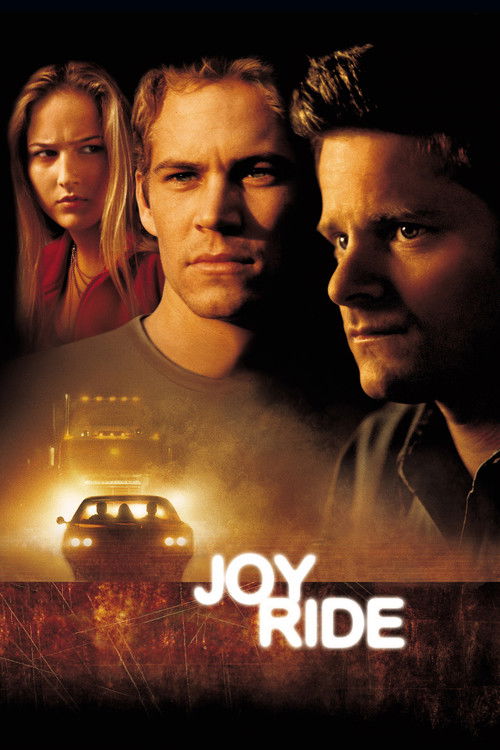
The Forensic Value of the 'Rare Clue'
When you can only recall a movie in broken fragments, standard keyword search engines fail because they treat every word with equal importance. If you search for 'truck driver car chase motel', you are competing with thousands of action films produced across seven decades.
Natural language semantic search operates under an entirely different mechanism: it analyzes the structural relationship between story elements. In real-world retrieval, a single rare, specific detail—even if surrounded by grammatically chaotic prose—acts as an unmistakable signature that unlocks the entire record.
Real Search Prompt (Verbatim)
“18wheel truck driver, kills a man in a motel, car chase, cb handle is candy cane”
Key Resolving Anchor
CB Radio Callsign 'Candy Cane' (Channel 17)
Forensic Takeaway
While '18-wheel truck' and 'car chase' produced over 60 generic road candidates, the inclusion of the specific CB handle 'Candy Cane' provided an instantaneous 1-of-1 match, eliminating lookalike titles like Duel (1971) and The Hitcher (1986).
Deconstructing the Multi-Element Prompt
Notice how the user in this production log structured their memory into four distinct cognitive layers: the primary antagonist vehicle ('18wheel truck driver'), the inciting crime location ('kills a man in a motel'), the genre pacing ('car chase'), and the singular identifying prop ('cb handle is candy cane').
Traditional keyword indexes break down because they index whole documents and demand exact synonym matches. FindByVibe's semantic search, by contrast, reads the conceptual meaning behind the description—matching the combination of plot turns, character actions, and distinctive props directly against verified movie catalog records.
How to Structure Your Next Memory-Based Search
Identify the inciting anomaly: what caused the conflict? In Joy Ride, it was not road rage, but an intentional radio prank on an anonymous trucker.
Isolate physical props with proper nouns: callsigns, hotel room numbers (Room 17), or distinctive bumper stickers.
Filter by atmospheric setting: rain-soaked Wyoming state routes, gravel roads, and neon motel signs provide valuable era and tone filters.
Test Your Memory in Search
Have a movie on the tip of your tongue? Pick a search tool that matches what you remember: